At multiple points in the first three episodes of X-Men ‘97’s second season, characters say out loud, “We need to get back to the 1990s!” Obviously, the joke works within the context of the series, a continuation (and improvement) of X-Men: The Animated Series, which ran from 1992 to 1997 on Fox Kids.
However, comic book fans might groan a bit, because the ’90s were in fact a fallow period for Marvel’s Mightiest Mutants. 1991 saw the end of writer Chris Claremont’s 16-year run on the series, which transformed the X-Men from Marvel C-listers into the most popular franchise in the world. In 2001, Scottish creators Grant Morrison and Frank Quitely took over the book, making a weird, pop-art masterpiece. To be sure, the X-Men had some great comics in between, but these exceptions proved the rule.
Yet, as proven in its incredible first season, X-Men ‘97 knows how to make compelling television out of mediocre comics. Further, the series has been willing to adapt stories that released in the years between the original X-Men animated series and the revival, integrating some excellent arcs into its ’90s setting.
So let’s take a look at the comics that drive X-Men ‘97’s second season: the good, the bad, and utterly outrageous.
X-Men: The Adventures of Cyclops and Phoenix (1994)

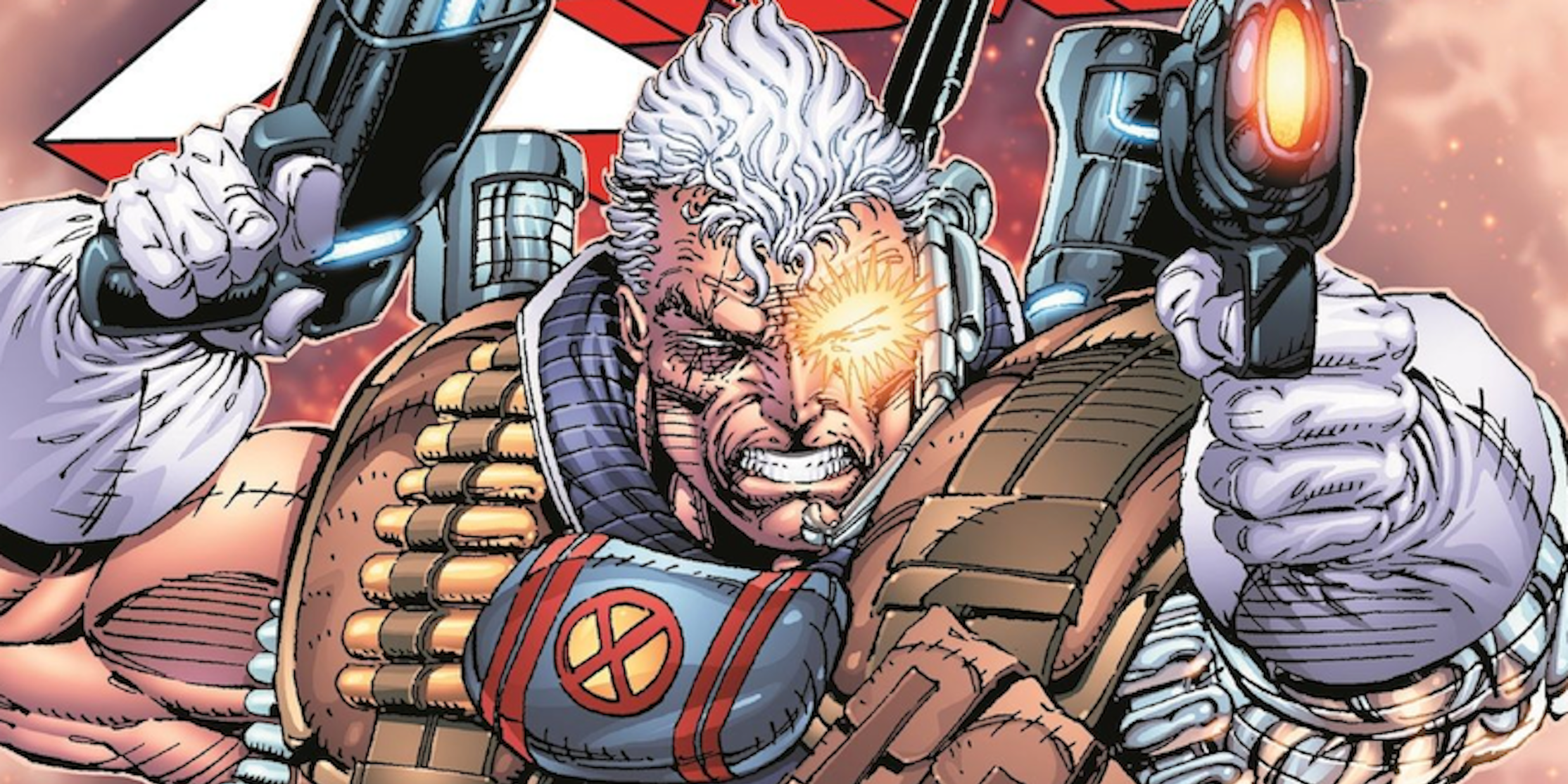
At the end of X-Men ‘97’s first season, the team is separated across time, with half going to a dark future ruled by the conqueror Apocalypse. There, Cyclops and Jean Grey reunite with their son Nathan, who they sent to the future in a desperate act to save him from an incurable virus. Nathan will, of course, return to the present as an adult, now the grizzled warrior Cable. Despite all the time travel shenanigans involved, X-Men ‘97 tells the story in a fairly clear manner. The same cannot be said of Cable’s comic book origin, which was retold and retconned throughout the early nineties.
The four-issue limited series X-Men: The Adventures of Cyclops and Phoenix represents one of Marvel’s clearest attempts to solidify the backstory. By 1994, Cable had been fully established as the son of Cyclops and Jean Grey (well, a clone of Jean Grey, but we don’t have time to get into that). Written by Scott Lobdell and drawn by Gene Ha, The Adventures of Cyclops and Phoenix not only sends the titular heroes into the future to raise their son, but also provides a coherent narrative to explain how their baby became a cyborg soldier from the future.
Under the Gun, X-Force #1–5 (1991)

In spite of, or perhaps because of, the initial mystery surrounding his backstory, Cable was a sensation almost immediately when he debuted in 1990’s The New Mutants #87. Between the clamor for Cable and the sensational response to artist Rob Liefeld’s kinetic (if compositionally unsound) artwork, The New Mutants soon transformed from a dramatic book about teenagers at Xavier’s school to a story about a mutant military. To facilitate that change, The New Mutants was canceled and X-Force debuted in June 1991, quickly becoming one of Marvel’s most popular books.
X-Men ‘97 does a truncated version of X-Force’s introduction, as Cable decides to form a team of mutants who will fight to protect their people while the X-Men are scattered across time. Those left hungry for more after X-Force’s spotlight episode of the show should go straight to the source and check out the first five issues of the original series, collected in Under the Gun — the story that launched one of the most talked-about superhero teams of the decade.