Tell me if this pattern sounds familiar.
One of my clients (let’s call him Elliot) would go hard every three months. Aggressive diet. New workout plan. The full deal.
And it would work…for a few weeks. Then life would do what life does – motivation would fade, work would get stressful, there’d be a sick kid to take care of, a vacation – and the whole thing would unravel.
Three months later, the cycle would start all over again. Only this time, everything felt a little worse. The scale would tick up, his knees hurt more, and he felt more out of breath going up the stairs.
Determined, he’d say to himself: “I just need to try harder this time.”
When I sat down with Elliot to build out his coaching plan, we realized that even though every previous attempt felt like progress in the short-term, in the long run, the system was failing him.
As Steve Kamb writes in How to Try Again:
“Trying harder at the thing that already didn’t work wastes energy we can use to figure out a better solution.”
So that’s what Elliot and I did – we stopped pouring energy into the thing that wasn’t working.
A lesson from the beach
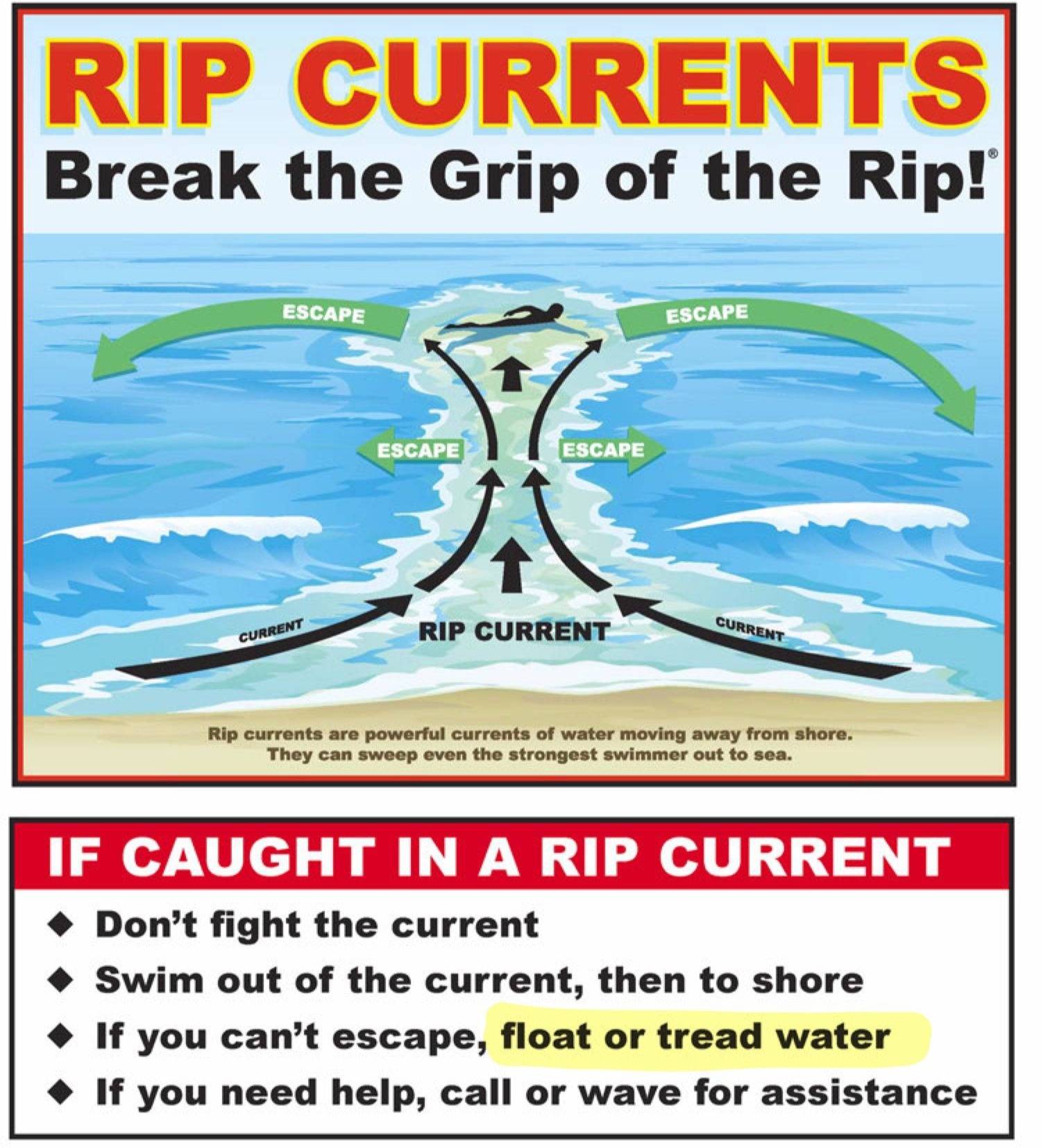
If you’ve been to the beach, you’ve probably seen the signs warning about rip currents.
Here’s the counterintuitive thing about them: when one is pulling you out to sea, you’re not supposed to swim against it. You’ll exhaust yourself, and you’re not going to win.
What you’re actually supposed to do is swim sideways — parallel to the shore.
And if you can’t escape the tide? Float or tread water.
You’re not getting closer to the beach – but you’re not exhausting yourself either. Holding steady and staying afloat is the critical first step to getting back to safety.
This is the “Pause” — not a one-time emergency move, but a skill that can be called on whenever it’s needed.
And this was the exact piece that was missing from Elliot’s earlier attempts. When we rebuilt his plan, we didn’t start with what his “optimal day” would look like. We started with: “How do we stay afloat when life throws you into a rip current?”
This is the thing that most fitness plans miss. Progress isn’t about operating at peak capacity all the time, forever. It’s about learning how to toggle between periods of maintenance and periods of focused effort. Ultimately, that’s the strategy that actually moves the needle toward a goal.
The allure of “continual optimization” and “just try harder” feels good. As Steve says:
“Seeing positive movement toward a goal gives us that warm, fuzzy feeling and a sense of control that we are making things better. And when we are NOT making progress? We feel like we’re falling behind.”
That feeling is the trap. It’s what sent Elliot into an unsustainable sprint every three months.
The science backs this up too: muscle and strength can be maintained on one-third of normal training volume for weeks at a time.
So when you’re slammed at work and cut your 4-day program down to one short session – you’re not losing ground, you’re staying afloat. You might not be winning, but you’re not losing either.
That’s the difference between the yo-yo and the staircase.
How to put a Pause plan into action
When energy is low, you’re juggling countless responsibilities, and stress is high — what can you fall back on that keeps your head above water?
For Elliot, this looked like:
- A quick breakfast protein shake he actually liked that was easy to throw together
- A short bodyweight workout (~15 min) twice a week
- Push-ups while the coffee brewed
Once those habits were in place, he stopped crashing out after a few weeks.
A personal “tread water” plan might look like:
- A shorter version of a workout you already enjoy
- Stocking up on high-protein freezer meals you can grab in a pinch
- A brain dump before sleep to get whatever’s rattling around in your head onto a page
- Short movement breaks throughout the day — 20 squats before lunch, a 5-minute walk before your next meeting, and so on
There’s no right or wrong answer here. Experiment to find what works best for you.
“A pause is not moving backward. Compared with making things worse, a pause is the correct next step.”
When life has you caught in a riptide, the urge is to put your head down and swim harder — but that’s what backfires. Instead, pause and tread water until you’re clear of the current. Sustainable progress is built not just in the hard-charging moments, but in the quieter ones where you simply stay in the game.